



When you purchase through our links, we may earn a commission at no extra cost to you. As an Amazon Associate, DreamSlumber earns from qualifying purchases. Learn more.
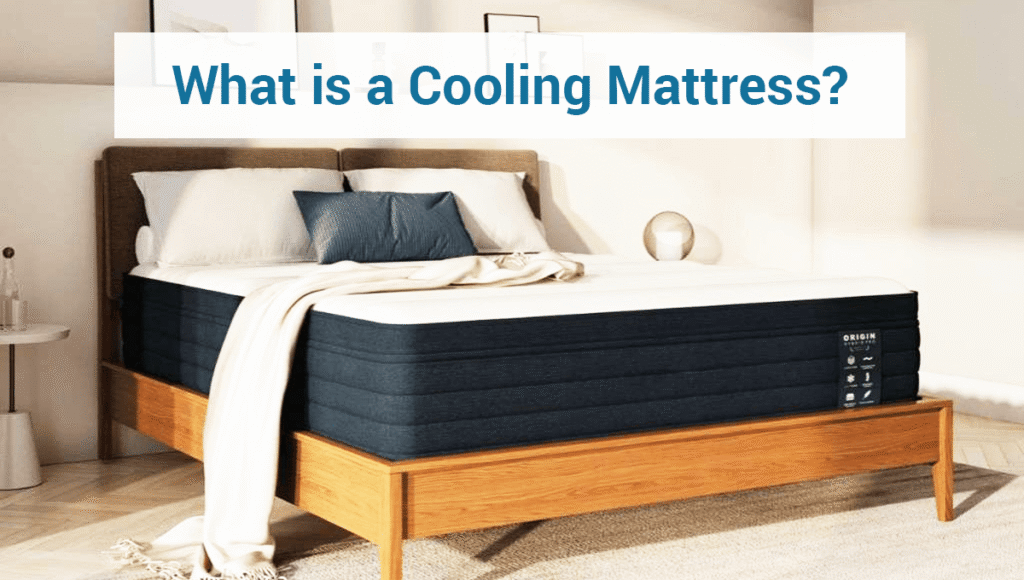
A cooling mattress uses advanced technologies and breathable materials to regulate your body temperature at night. These mattresses incorporate gel-infused foam, phase change materials, and coils to maintain a consistent airflow and dissipate heat.
Did you know that nearly 57% of people report waking up in the middle of the night because they feel too hot? If you are struggling with the same issue, it is time to invest in a cooling mattress. With so many mattress-in-a-box brands, access to breathable foams, gel infusions, and hybrid designs has become easier. This is why cooling mattresses are one of the top choices for many sleepers.
So, what is a cooling mattress? Is it just a cold surface, or is there science and engineering involved? To help you get the right answers, this guide will break down everything you need to know. You will learn about the materials that fight heat and the different construction types available for temperature regulation. Scroll down to discover what a cooling mattress is, its pros & cons, how to shop for a cooling mattress, and how it works to help you sleep cool and wake up refreshed.
What is a Cooling Mattress Made of?
Cooling mattresses look and feel like a regular mattress at first glance, but they differ in their materials and construction. They use specialized cooling tech to become effective heat-trapping mattresses. Most of the standard mattresses trap body heat and reflect it back at you while you are asleep. A temperature-regulating mattress, on the other hand, works throughout the night to conduct and dissipate your body heat.
So, what materials make a mattress sleep cooler? For cooling mattress benefits, brands layer different cooling materials to boost airflow and manage moisture. Let us discuss it in detail:
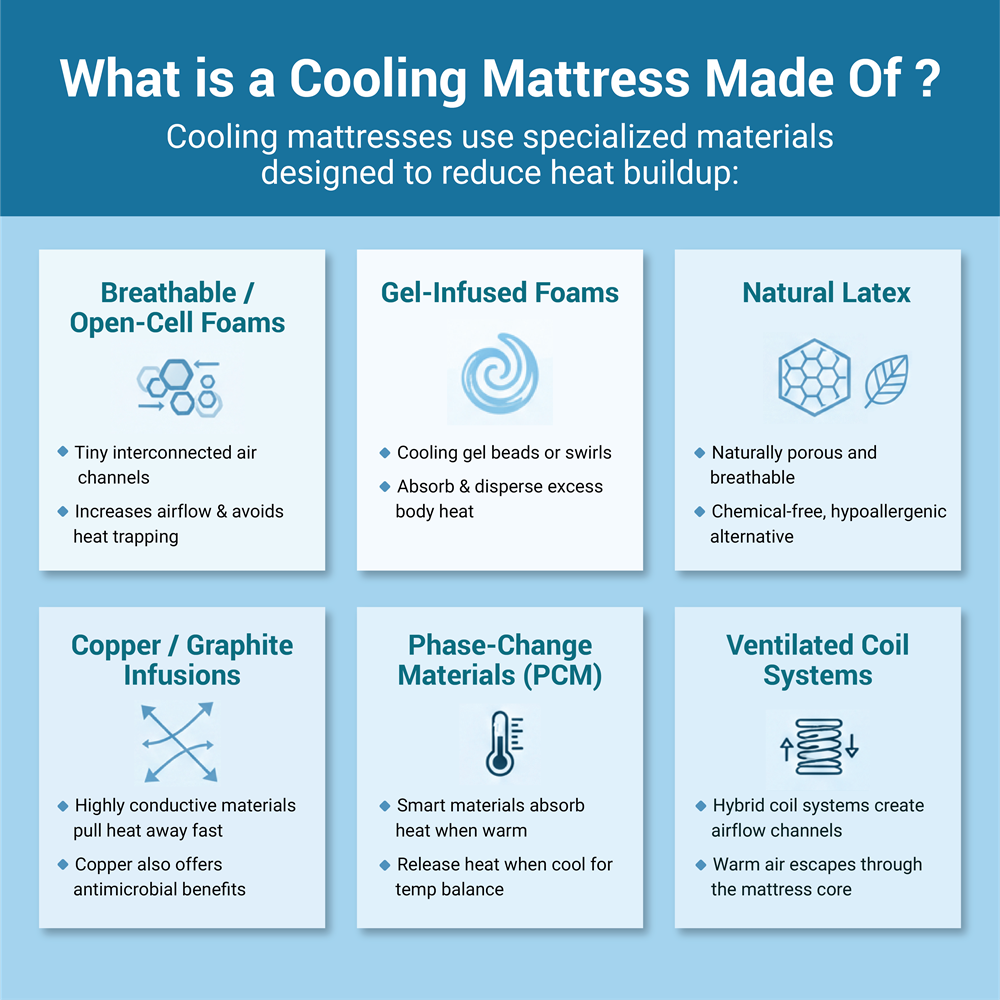
Breathable/Open-cell Foams
Most of the traditional memory foam mattresses use a ‘closed-cell’ structure, which is known to trap hot air. On the other hand, modern mattress designs now use open-cell construction for breathability. Manufacturers engineer the foam with tiny and interconnected air channels that allow air to flow freely through the material. This mattress with airflow prevents heat from pooling around your body, replacing hot air with fresh air as you move.
Gel Infusions
You must have seen many brands mention ‘gel-infused’ technology as one of the mattress features. In this design, manufacturers infuse the foam with cooling gel beads or swirls. These gel-infused foam layers absorb excess heat from your body and distribute it away from the surface. This creates a cooling gel mattress that helps you stay comfortable throughout the night.
Latex
A latex cooling mattress uses its material’s natural breathability for better airflow. As many synthetic foams need added chemicals for a cool-to-touch surface, it is often avoided by sensitive sleepers. On the other hand, latex is porous and lets air circulate on its own. It works as a perfect mattress for hot sleepers who want the responsive feel of latex without the heat retention of traditional foam.
Copper or Graphite Infusions
Many mattresses use an engineered design by adding conductive elements like copper or graphite. Copper is the third most conductive material (up to 20,000 times more conductive than polyurethane foam). This means it pulls heat away from your body very fast. By infusing such materials, a standard mattress works like a heat-dissipating foam that gives a cooling sensation. It also provides antimicrobial benefits, keeping your sleep environment fresh.
Phase-change Materials (PCM)
If you are someone who suffers from night sweats or hot flushes at night, a mattress with PCM is your best fit. The phase-change fabric uses smart technology that reacts to your skin’s temperature. These materials absorb heat when you get too hot (turning from solid to liquid at a microscopic level). They also release it if you get too cold. This continuous cycle helps you maintain a steady temperature all night long.
Ventilated Coil Systems
Hybrid mattresses come with the added benefits of a coil support system. This means that ventilated mattress design uses evenly spaced coils to create airflow channels in the core. The open structure lets heat travel down through the cooling comfort layers and escape completely. This makes the surface cool instead of trapping the heat in the base of the bed.
How Does a Cooling Mattress Work?
As a gel memory foam depends on viscoelasticity to conform to your shape, a cooling mattress uses thermodynamics and the physics of heat transfer to keep you comfortable. Brands engineer these standard beds to keep them from accumulating body heat. They use conductive materials, breathable structures, and smart fabrics to manage your temperature. Let us discuss how cooling gel mattresses promote heat dissipation at night:
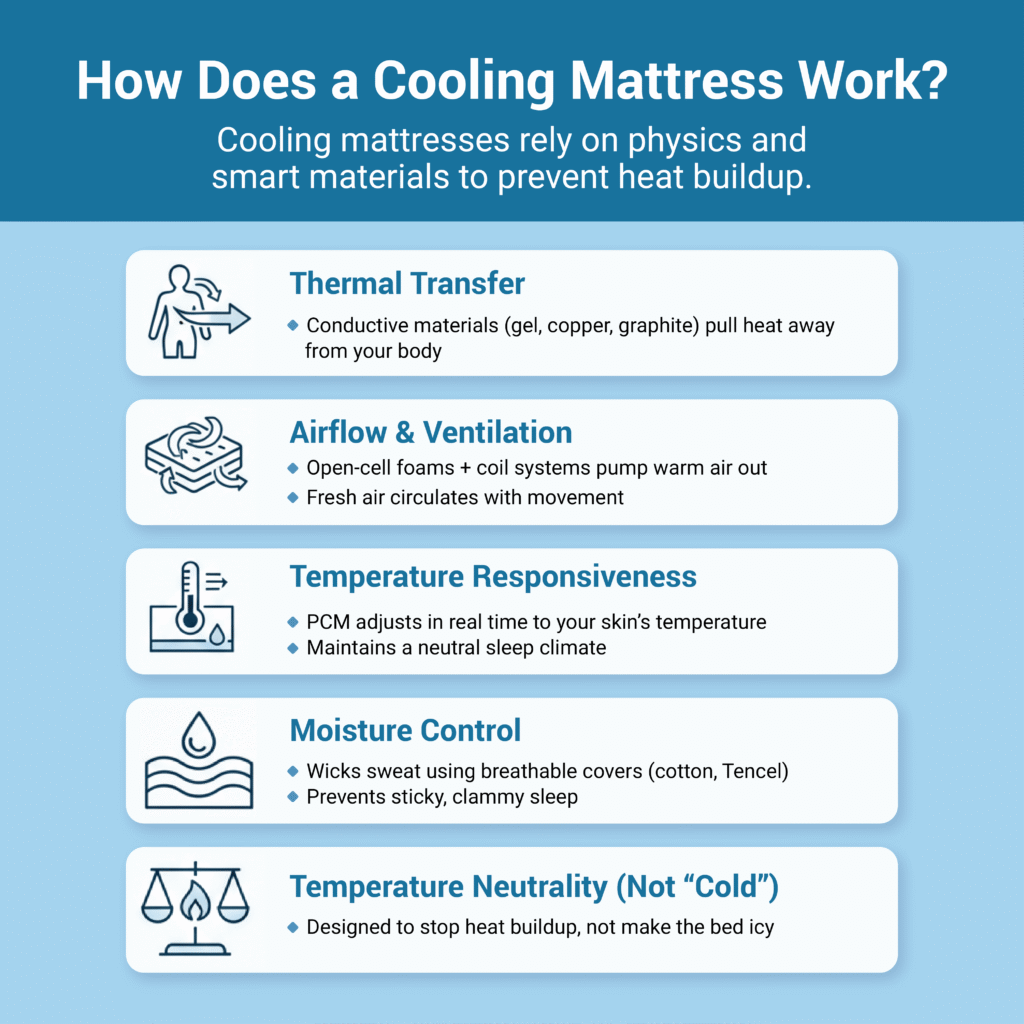
Thermal Transfer
Thermal transfer is the basic principle through which a mattress keeps you cool when you are asleep. This is the process of physically pulling heat away from a warmer object (your body) to a cooler one (the mattress materials). For this, materials like copper-gel infused foam act as conductors. Instead of letting your body heat sit stagnant underneath you, these conductive elements absorb that thermal energy and move it away to cooler parts of the mattress.
Airflow and Ventilation
Many cooling mattresses use an open-cell structure to enable airflow and ventilation throughout the sleeping surface. In a hybrid cooling mattress, the coil layer works like a ventilation engine with porous channels. Every time you move, the coils pump warm air out and draw fresh air in. This creates a continuous cycle of airflow that dissipates heat before it can accumulate.
Temperature Responsiveness
If you want a temperature-neutral sleep surface that is neither too hot nor too cool, pick a bed with Phase-Change Materials (PCM). These smart materials are microscopic capsules embedded in the fabric or foam that react to your skin’s temperature. If you get too hot, the PCMs absorb the excess heat and “melt” (at a molecular level) to cool you down. If your temperature drops, they release that stored heat to warm you up.
Moisture Control
In addition to managing heat, an effective cooling mattress also wicks moisture to help you manage night sweats. They use organic mattress protectors and covers made from organic cotton that dries moisture quickly. They also use specialised fabrics like Tencel or performance blends that pull sweat away from your skin. These materials, then, spread it across a larger surface area so it can evaporate quickly. By keeping your skin dry, these covers prevent that clammy feeling that wakes you up.
The “Cold” Misconception
Many wonder do cooling mattresses really stay cool all night? To clarify this, a cooling mattress won’t feel icy cold to the touch all night. Instead, its job is to be temperature neutral. They use engineered cooling tech to prevent body heat buildup at night.
Types of Cooling Mattresses
Different brands use distinct technologies and patented designs to solve the problem of heat retention in mattresses. Let us discuss how each type of cooling mattress works and differs in the cooling process:
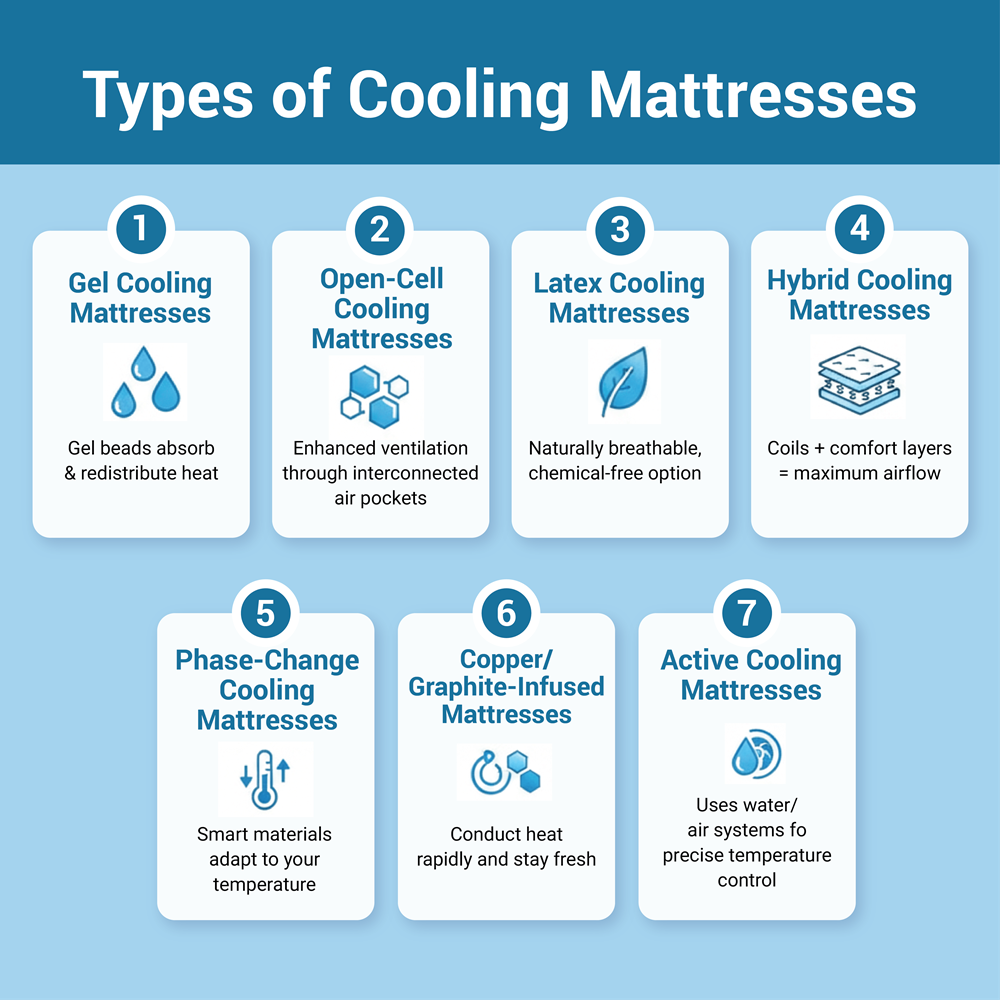
1. Gel Cooling Mattresses
In this design, manufacturers infuse the memory foam with cooling gel beads or swirls. These cooling gel-infused foam layers work by absorbing excess heat from your body. Then, they distribute this heat away from the surface. By following this continuous process throughout the night, these mattresses help you stay comfortable while you sleep.
2. Open-Cell Cooling Mattresses
Many memory foam mattresses now come with open-cell designs. These designs are engineered with tiny and interconnected air pockets that allow air to flow freely through the material. The mattress regulates surface temperature by preventing heat from pooling around the body. Further, it replaces hot air with fresh and cool air when you change position at night.
3. Latex Cooling Mattresses
Many people with chemical sensitivities prefer natural materials like latex foam, which are free from allergens. It is a naturally porous and breathable material that allows air to circulate on its own. That is why it is one of the best mattresses for hot sleepers.
4. Hybrid Cooling Mattresses
A hybrid mattress includes comfort layers and a coil support system. They come with a ventilated design, where the coil core allows maximum airflow through the bed. This makes it an open-cell structure, which creates channels for air to flow down through the layers and dissipate.
5. Phase-Change Cooling Mattresses
These mattresses use smart fabrics and coatings that keep your temperature neutral to prevent sleep deprivation at night. These materials absorb and release heat as per your body’s temperature, making it cool when it’s hot and vice versa.
6. Copper/Graphite-Infused Cooling Mattresses
Conductive materials like copper gel and graphite absorb heat from your body. They are often infused in the foam layers, and copper also provides antimicrobial benefits to sensitive sleepers. Graphite is not antimicrobial, but regulates heat effectively, similar to copper-infused mattresses.
7. Active Cooling Mattresses
To give you the best results, many brands provide mattresses with high-end beddings and setups. They often use water or air pumps to circulate fluid or air through the mattress. This lets you set a precise temperature as per your slumber needs. While more expensive, they offer the best control for sleepers who need accurate cooling power.
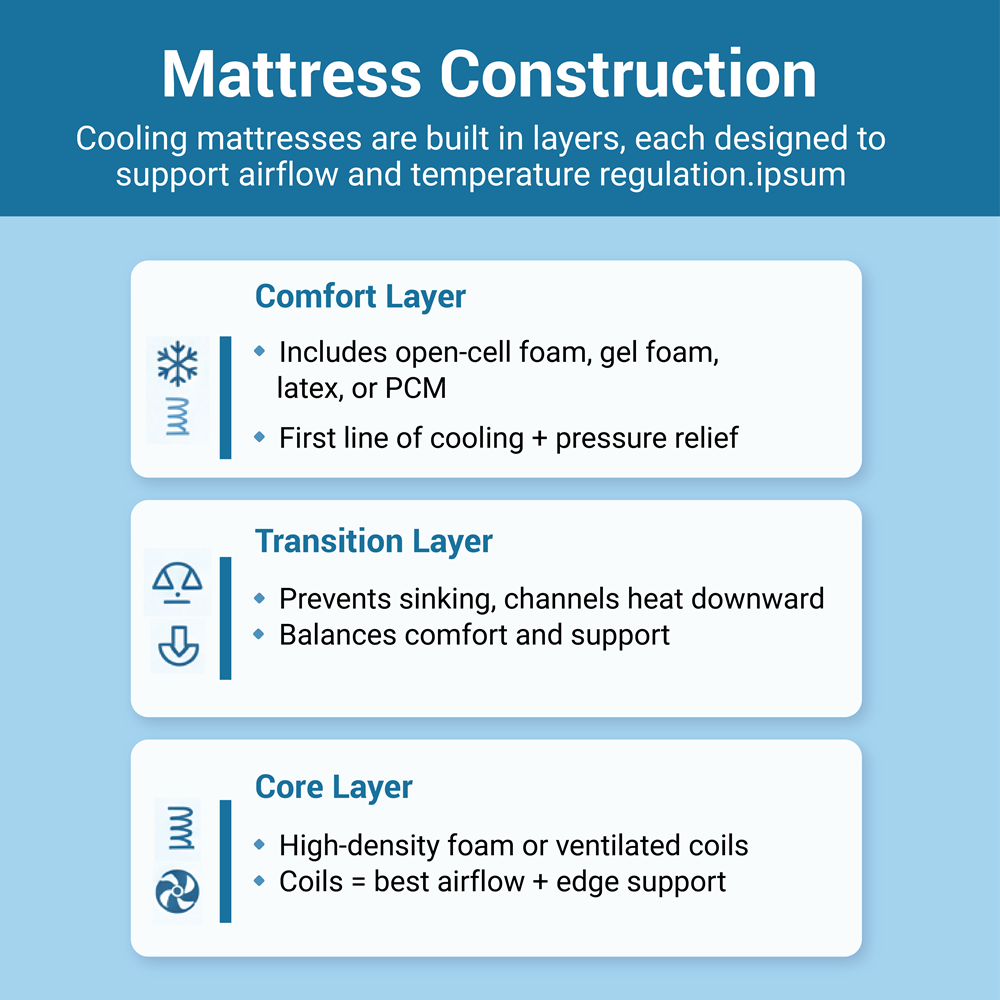
Mattress Construction
The standard cooling mattress construction follows a layered design, and each layer’s materials determine its effectiveness. Different cooling layers, transition foams, and a core work together to give you added benefits of pressure relief and spinal support. Let us discuss these in detail to help you spot the difference between cooling and regular mattresses:
Comfort Layer
This is the top-most section that is in direct contact with you when you sleep. Most of the cooling sleep technology is concentrated in the comfort layer to give you instant comfort. Brands use breathable mattress materials such as open-cell foams, gel-infused foam, natural latex foam, or fabrics treated with phase-change material. Many beds also add a moisture-wicking mattress cover so the surface feels cooler and drier.
Transition Layer
This layer is placed below the comfort section. The transition layer bridges the features of plush top foam and the firmer support core. It uses slightly denser foams that hold your body in place and keep it from sinking. It also helps move body weight and heat downward into deeper layers of the mattress.
Core Layer
This layer is also referred to as the support layer. It is the thickest part of the bed and is made from either high-density foam or a coil system. Foam cores provide deep compression support and help maintain neutral spinal alignment. On the other hand, coil cores create natural air channels for airflow and let heat and moisture evaporate.
Note: One of the top benefits of a hybrid cooling mattress for hot sleepers is that it uses the same kind of pocketed coil core found in quality innerspring beds. This increases ventilation through the center of the mattress and gives strong edge support.
Qualities of Cooling Mattresses
A quality cooling mattress, in addition to using the latest tech, also stacks layers such that they create a perfect sleep sanctuary. They use smart materials, open structures, and responsive surfaces to keep your temperature balanced throughout the night. Let us learn more about these qualities in detail:
1. Temperature Regulation
A true thermo-regulating mattress keeps your sleep surface neutral (not hot, not icy) across the night. It does this by using foam, gel infusions, coils, and sometimes phase-change fabric that absorbs and releases heat.
2. Breathability
A breathable mattress means that air can move through it freely to dissipate the excess heat. For this, the open-cell foam mattress design, ventilated latex, and coil systems work best. They create internal channels for air, preventing hot “pockets” from forming under your hips and shoulders.
3. Moisture Management
If you want to know how to choose a cooling mattress for night sweats, look for mattresses with moisture-wicking qualities. They use covers with engineered fabrics and quilting layers to manage humidity and move sweat away from skin and letting it evaporate.
4. Bounce and Response
Another popular factor that adds to overheating at night is getting stuck too deeply in the mattress, which traps body heat. Hybrid mattresses and latex designs work best in this case. They offer better bounce and faster response than memory foam, helping warm air move out from under your body.
5. Pressure Relief
A cooling mattress must include pressure relief features so that it gives instant comfort to people with arthritis or other joint pain. The cooling system helps reduce nighttime inflammation, helping you get deep sleep. At the same time, contouring foams or latex in the comfort layer cushion joints and curves while transition and core layers keep your spine aligned.
Cooling Mattress Pros and Cons
When comparing the cooling vs regular mattresses, you must look at the direct trade-offs. Just like memory foam has specific benefits and drawbacks, cooling mattresses also come with their own set of considerations. Let us have a look at these pros and cons:
Cooling Mattress Pros
- Helps prevent overheating and night sweats by managing body temperature.
- Improves sleep quality and comfort by keeping you in an uninterrupted sleep cycle.
- More breathable than traditional all-foam beds.
- Moisture-wicking for a cooler and drier sleep.
- Available in many material types, giving you options from gel foam to natural latex.
Cooling Mattress Cons
- The cooling performance across the brands is not consistent, as some models cool better than others.
- Advanced cooling tech is often expensive than regular beds.
- Gel layers may warm up over time as they reach thermal saturation during the night.
- Cooling covers require regular maintenance and care with specific washing instructions.
- Even though all-foam models may use cooling tech, they still trap more heat than innerspring designs.
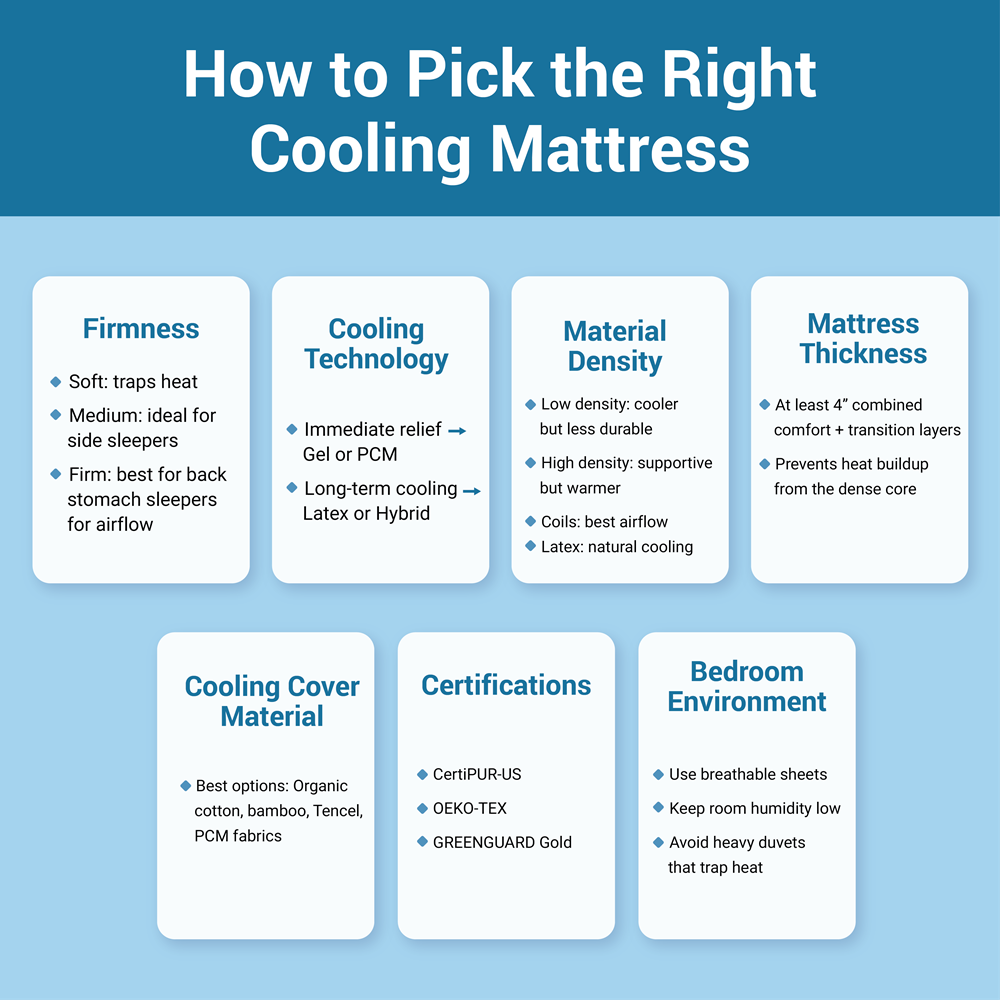
How to Pick the Right Cooling Mattress
When looking to buy the best type of mattress for hot sleepers, you need to look at the specific construction and materials. This helps you understand if they match your sleep style. Look for qualities like:
Firmness
A soft mattress creates a ‘hammock’ like effect, keeping your body stuck in the same position at night and trapping heat. Whereas a firmer mattress makes your body float on top of the mattress surface, allowing air to circulate when you change positions at night.
- If you are a side sleeper, go for a medium feel to get the benefits of pressure relief with airflow.
- Stomach and back sleepers must opt for firmer surfaces to ensure better temperature regulation.
Cooling Technology Type
Assess your wellness goals and choose the cooling tech that aligns with them:
- For immediate relief, opt for a phase-change mattress or gel-infused foam.
- If you overheat later in the night, a hybrid mattress with coils or a latex mattress will dissipate heat throughout the night.
Foam Density/ Material Composition
The density of foam and its materials also influence the cooling ability of a mattress. Look for:
- Low Density: It breathes better and sleeps cooler, but may be less durable.
- High Density: Gives better support and longevity, but traps more heat due to its tight structure.
- Coils: Provides maximum airflow through the core.
- Latex: Offers a great chemical-free alternative to memory foam.
Mattress Thickness
Thicker mattresses allow for more dedicated “transition” and “comfort” layers. These separate your body from the dense support core. Opt for at least 4 inches of combined comfort and transition foam to ensure the cooling technology has enough room to work without bottoming out.
Cooling Cover Material
Look for covers made of natural fibers like organic cotton or bamboo, or advanced technical fabrics like Tencel. You can also go for phase-change mattress fabric that is often branded as GlacioTex or similar.
Certifications
Ensure the materials are safe and low-VOC (volatile organic compounds). This ensures you avoid off-gassing common with heat-trapping chemical foams. Look for:
- CertiPUR-US (for foams)
- OEKO-TEX (for textiles/covers)
- GREENGUARD Gold (for low chemical emissions)
Environment Fit
Finally, a cooling mattress works best in a supportive environment:
- If your room is humid, moisture-wicking sheets and a dehumidifier will help your mattress perform better.
- Use light duvets as heavy duvets can negate the benefits of even the best cooling bed.

Frequently Asked Questions
How do cooling mattresses work?
Cooling mattresses work by using specialized materials like gel-infused foam or conductive copper fibers to absorb excess body heat and pull it away from you. They also feature breathable designs, such as open-cell foam mattress structures or ventilated coils. These create airflow channels to let warm air escape rather than trapping it.
Are cooling mattresses worth it?
Yes, for hot sleepers or those dealing with night sweats, a cooling mattress is often a worthwhile investment. It improves sleep quality by preventing overheating. While they can be pricier, the benefit of deeper rest without waking up soaked in sweat justifies the cost for many people.
What type of mattress is best for cooling?
A hybrid mattress is generally considered the best because it uses the airflow of a coil support system with the pressure relief of cooling foams. Latex mattress options are also top-tier choices, as natural latex is naturally porous and does not retain heat like traditional memory foam.
What is a cooling mattress made of?
These mattresses are made from a combination of breathable mattress materials. These include open-cell foams, gel beads, phase-change materials (PCM), and conductive elements like graphite or copper. They are often wrapped in a moisture-wicking mattress cover made from fabrics like Tencel or bamboo to keep the surface dry.
Does a cooling mattress make a difference?
Yes, a high-quality cooling mattress makes a difference by maintaining a cool environment. However, it won’t feel like an air conditioner. It will only make the temperature neutral. By actively dissipating heat and managing moisture, it helps you stay comfortable throughout the night.
Choose the Right Cooling Mattress Today!
Now that you know what a cooling mattress is, you are ready to make an informed buying decision. Various brands in the market feature advanced materials like gel-infused foam, breathable coils, and smart fabrics to solve the problem of heat-trapping. In addition to lowering the temperature of your sleep surface, they manage moisture and airflow to help you target deep restorative sleep.
Whether you choose a hybrid mattress for airflow or a latex mattress for natural comfort, also consider your sleeping position to find the optimum firmness level. If night sweats or overheating leave you tired every morning, switch to a cooling mattress today!